






Purchase order management FAQs

It keeps the purchase order next to the inventory it affects. You create the order from stock signals — items below their reorder point, or moving at a rate that will empty the shelf — track it while it is open, and receive against it when goods arrive. Quantities update here, and the purchasing data reaches QuickBooks instead of being entered twice.
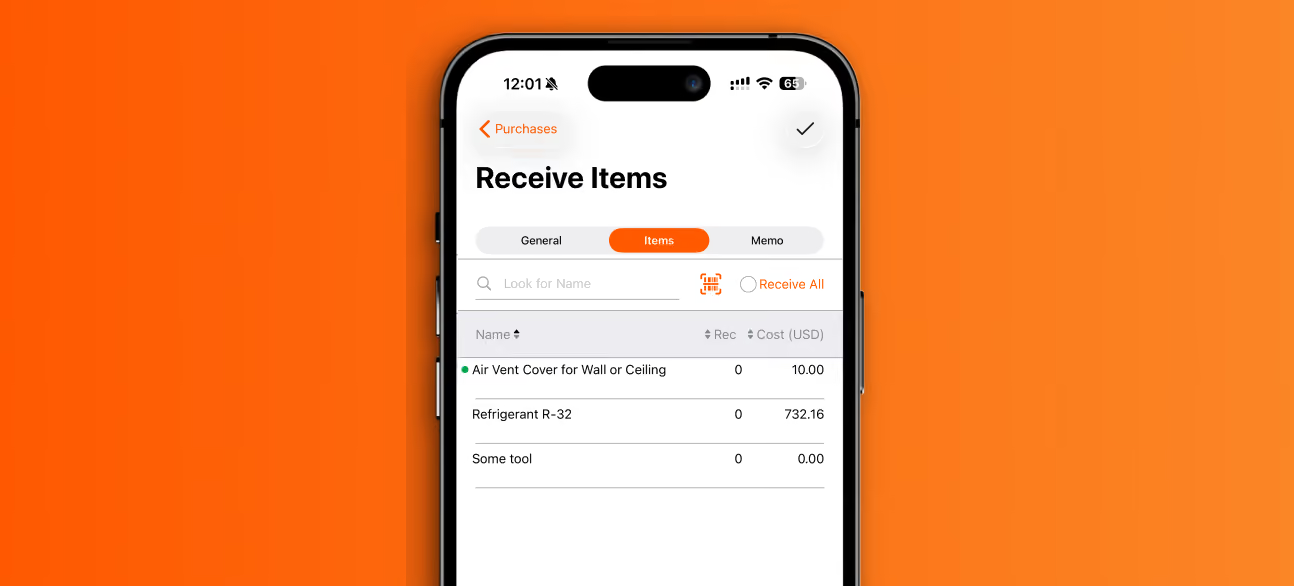
Yes. Scan items into a purchase order from a phone or tablet, using the built-in camera or a Bluetooth barcode scanner, so a manager can build the order at the shelf. The same orders are available on the desktop. HandiFox Online supports Android and iOS; HandiFox Desktop supports Android.
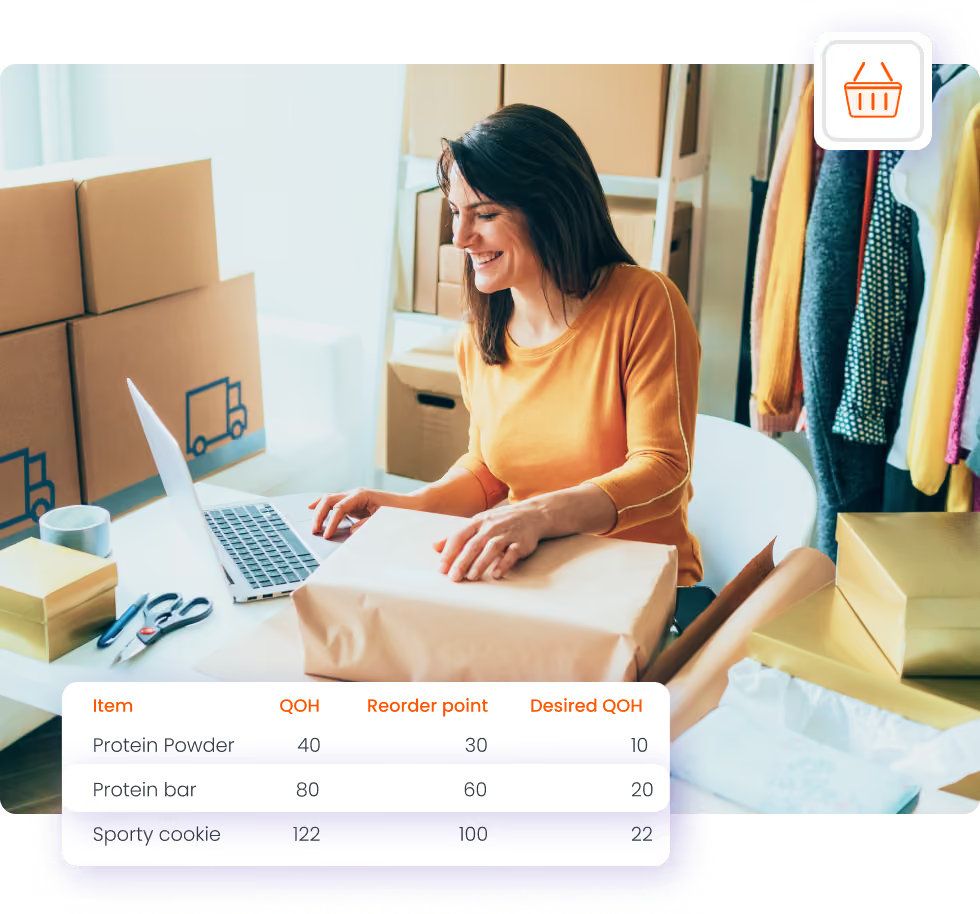
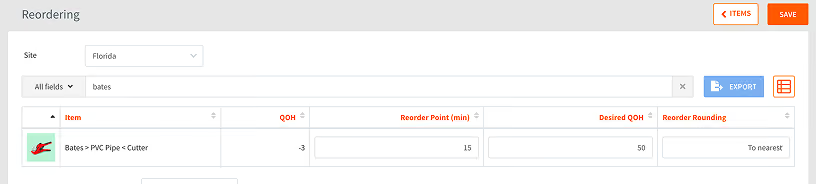
Reorder points define when stock needs attention, while sales history helps determine how much to replenish. HandiFox also uses the desired quantity on hand to calculate a suggested reorder quantity, which can then be turned into a prepopulated purchase order.
Yes. When one delivery covers several open orders, your team records it in a single receiving session instead of opening each order separately. Partial deliveries stay open for the quantities still outstanding, and inventory levels update as goods are received.
Purchase orders move with their supplier, unit, price, and cost data. An item receipt created in HandiFox becomes a bill in QuickBooks, and purchase order numbers can be mapped to a QuickBooks custom field. Synchronization runs each time you save your work, both directions.
No. HandiFox does not route purchase orders through multi-level approvals or handle requisitions. It does have approval workflows for inventory counts — a manager can be required to approve quantity adjustments and counting sessions — but purchasing does not use them. Businesses needing formal approval chains normally run a dedicated procurement or accounts-payable system alongside their inventory software.