7 min

Chemical Inventory Software: What to Look for in a System That Ensures Traceability and Safety

March 10, 2026
On this page

Key Takeaways

  • Chemical inventory requires stricter controls than standard inventory systems. Businesses handling chemicals must track not only quantities but also batches, expiration dates, and storage locations to maintain safety and regulatory compliance.
  • Lot and batch traceability is essential for recall management. Effective chemical inventory software tracks each lot throughout its lifecycle, enabling companies to quickly identify affected shipments during supplier issues or product recalls.
  • Expiration date monitoring prevents safety and compliance risks. Automated alerts and FEFO workflows help teams prioritize chemicals approaching expiration and prevent degraded materials from entering distribution.
  • Barcode-driven workflows reduce critical handling errors. Scanning during receiving, picking, and packing verifies that the correct chemical and batch are processed, preventing dangerous mis-shipments.
  • Multi-location visibility and audit trails support compliance. Centralized tracking across warehouses, labs, and field locations, combined with detailed transaction history, helps organizations maintain audit-ready records and consistent inventory control.

Companies that distribute, store, or handle chemicals operate under a very different set of inventory requirements than typical product businesses. Accuracy is not simply about avoiding stock discrepancies—it directly impacts safety, compliance, and liability.

This is why many distributors and manufacturers adopt chemical inventory management software designed to track batches, monitor expiration dates, verify warehouse handling, and maintain audit-ready records. A structured system ensures that chemicals move through the supply chain safely and that every shipment can be traced if quality issues arise.

If your team is evaluating chemical inventory software, the most important question is which system can enforce the operational controls needed to maintain traceability and prevent critical errors.

Why Chemical Inventory Requires Specialized Tracking

Chemical products introduce operational challenges that traditional inventory tools often fail to address. The complexity comes from the need to maintain visibility not only into quantities, but also into how materials are stored, tracked, and distributed over time.

Three factors make chemical inventory particularly demanding.

Shelf Life and Product Stability

Many chemicals degrade over time or lose effectiveness after a defined shelf life. Certain compounds become unstable if stored beyond their recommended expiration date.

Without automated monitoring, expired materials may remain in circulation. This creates operational risks and potential regulatory violations. Effective chemical inventory management tools track expiration dates at the lot level and alerts teams when products approach the end of their shelf life.

Lot and Batch Traceability

Chemical distributors must maintain the ability to trace every batch they receive and distribute. This traceability becomes critical during product recalls or supplier quality investigations.

If a manufacturer reports contamination in a specific batch, distributors must quickly determine:

  • Which warehouse locations received the affected lot
  • Which customers purchased that batch
  • Whether any remaining stock is still in storage

Without lot tracking, companies may be forced to recall large volumes of inventory unnecessarily. With proper traceability, only affected shipments need to be addressed.

Hazardous Material Handling

Certain chemicals must be stored separately to prevent dangerous reactions. Others require controlled environments, labeling standards, or regulated transportation.

While an inventory system cannot enforce every safety requirement physically, it can help maintain structured storage locations and provide visibility into where materials are stored across warehouses.

An inventory management system for warehouse environments helps teams track chemical inventory across multiple facilities and maintain consistent storage practices.

Core Features to Look for in Chemical Inventory Software

These capabilities support the operational controls required in chemical distribution environments.

Lot and Batch Tracking

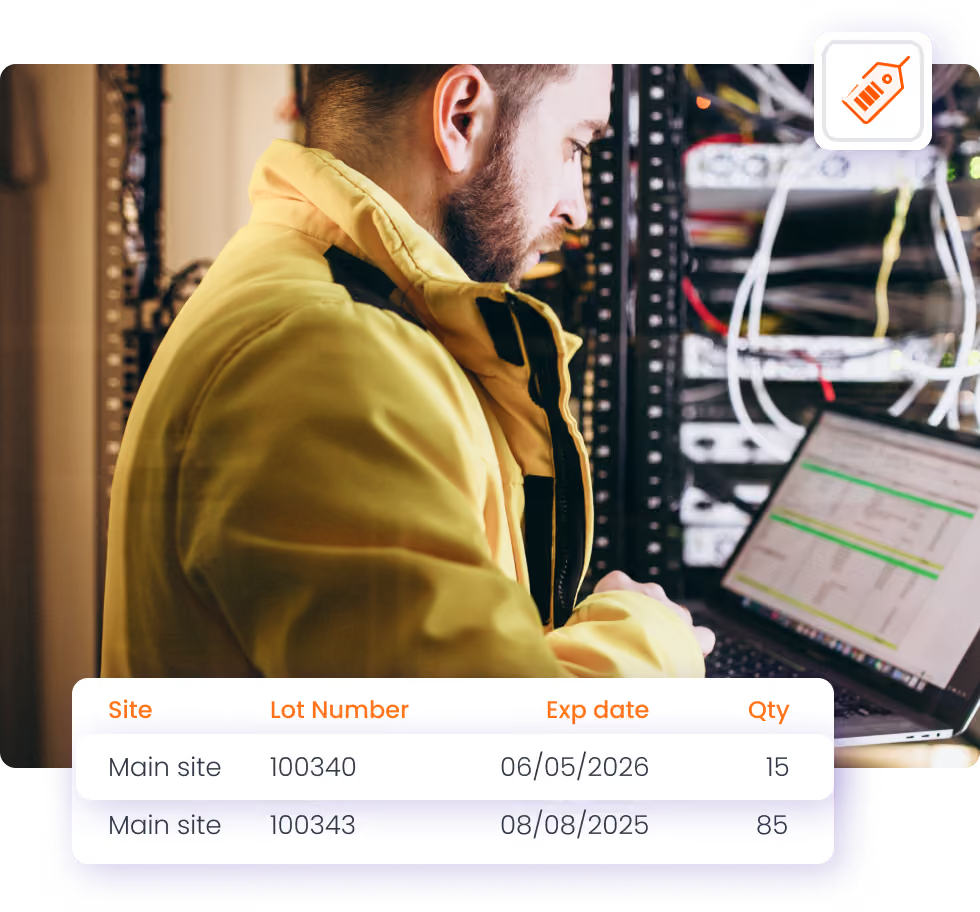
Lot tracking is one of the most important capabilities of inventory management software for chemical supplies. Each batch of chemicals should remain associated with a unique lot number throughout its lifecycle.

Lot tracking allows businesses to:

  • trace inventory back to supplier shipments
  • identify affected batches during recalls
  • track which customers received specific lots
  • monitor expiration dates tied to batches

In practice, lot tracking creates a complete chain of custody for each chemical shipment.

Expiration Date Management

Expiration tracking prevents degraded or unsafe chemicals from being distributed.

Inventory systems should monitor expiration dates continuously and notify warehouse staff when products approach their expiration thresholds. This allows teams to prioritize older inventory and remove expired stock before it becomes a safety risk.

Advanced chemical inventory management software can also support FEFO (First Expired, First Out) workflows that automatically prioritize batches closest to expiration during order fulfillment.

Explore How to track lots, serials, and expiration dates for tighter inventory control.

Barcode-Based Inventory Verification

Manual product identification creates opportunities for costly mistakes. Many chemicals have similar packaging, labels, or naming conventions, which increases the likelihood of mis-picks.

Barcode scanning introduces an important verification step into warehouse workflows.

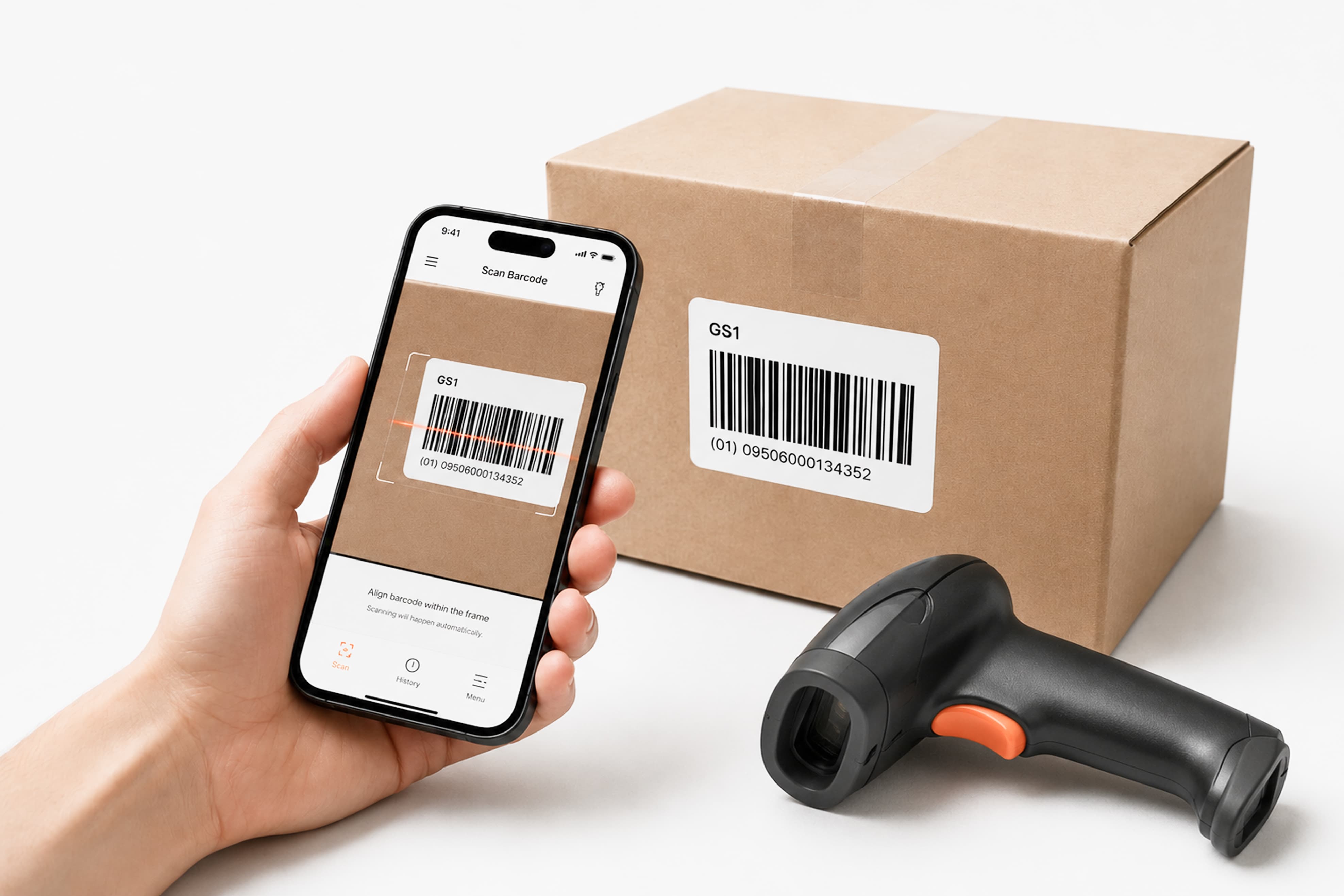
During receiving, picking, and packing, warehouse workers scan product labels to confirm that the correct item is being processed. The system validates each scan against the transaction.

This prevents errors such as:

  • shipping the wrong chemical
  • mixing batches incorrectly
  • receiving incorrect products from suppliers

Using scanners with your chemical inventory app significantly improves accuracy while reducing manual entry errors.

If you’re new to barcoding, check out our Barcoding Beginner’s Guide.

Multi-Location Inventory Tracking

Chemical distributors often operate across multiple storage environments. Inventory may be stored in:

  • central distribution warehouses
  • laboratory facilities
  • satellite storage sites
  • service vehicles or field locations

Maintaining accurate stock records across these locations requires centralized tracking.

A strong inventory management system for warehouse operations provides location-level visibility and tracks inventory movement between sites. This prevents over-ordering and ensures that teams know exactly where each chemical batch is stored.

Check out our Multi-Location Inventory Management Guide.

Mobile Inventory Operations

Warehouse tasks rarely happen at desks. Staff need to record inventory activity where the work actually occurs - on the warehouse floor.

Mobile inventory tools allow workers to:

  • scan incoming shipments
  • perform cycle counts
  • verify order picking
  • transfer inventory between locations

Mobile functionality reduces delays between physical movement and system updates, improving inventory accuracy.

Audit-Ready Inventory History

Regulated industries frequently face compliance audits and quality inspections. Maintaining detailed transaction histories helps businesses demonstrate how chemicals were handled throughout their lifecycle.

Inventory systems should retain records of:

  • receiving transactions
  • lot movements between locations
  • fulfillment activity
  • inventory adjustments

These logs provide critical documentation when addressing supplier investigations or regulatory reviews.

Explore the 9 Essential Reports in HandiFox Online that facilitate accountability.

How Barcode Workflows Improve Safety and Accuracy

Barcode verification has become standard in modern warehouse environments because it eliminates many of the errors associated with manual processes.

During receiving, warehouse staff scan incoming containers against purchase orders. This confirms that the correct products and quantities were delivered.

During picking, workers scan product labels to ensure they match the order requirements. If the wrong chemical is scanned, the system immediately flags the mismatch.

This process dramatically reduces fulfillment errors. For businesses handling regulated materials, preventing even a single incorrect shipment can justify the adoption of structured scanning workflows.

Many organizations implement barcode workflows alongside chemical inventory software to enforce consistent verification throughout warehouse operations.

Make sure you set up barcodes the right way with our Practical Barcoding Guide.

How HandiFox Supports Chemical Inventory Management

Platforms such as HandiFox provide many of the features required to manage chemical inventory safely and efficiently:

Lot and expiration tracking. Chemical batches can be tracked individually with associated expiration dates.

Barcode-driven receiving and fulfillment. Warehouse teams scan items to verify accuracy during receiving, picking, and packing.

Multi-location inventory visibility. Stock levels remain visible across warehouses and other storage environments.

Mobile inventory management. Warehouse staff can perform inventory operations directly from mobile devices or barcode scanners.

QuickBooks synchronization. Inventory movements automatically update financial records in QuickBooks, reducing manual reconciliation.

For companies already using QuickBooks for accounting, this integration helps maintain alignment between warehouse activity and financial reporting.

Conclusion

Managing chemical inventory requires far more than tracking quantities. Businesses must maintain batch traceability, monitor expiration dates, and verify warehouse activity to ensure safety and compliance.

For distributors seeking a practical solution, platforms like HandiFox combine warehouse-focused inventory tracking with seamless QuickBooks integration, helping businesses maintain accurate chemical inventory across multiple locations.

Evaluating the best chemical inventory software starts with understanding which features protect your operation from safety risks and traceability gaps. 

Get a first-hand look by taking a trial or requesting a live demo of HandiFox Online.

by HandiFox Team
With 15+ years of helping small businesses manage inventory and sales, we share practical insights based on real use cases and everyday operations
Handifox TwitterHandifox FacebookHandifox LinkedIn